The Best Pleasanton Neighborhoods for Luxury Downsizers (2026 Guide)
Tri-Valley Senior & Luxury Transition Advisory
Most homeowners researching Pleasanton neighborhoods for a downsize are not ready to call an agent yet. They are solving a deeper lifestyle equation first: Which version of Pleasanton daily living do I actually want for the next 15 to 20 years? Moving out of a 4,500-square-foot multi-story family home is rarely about compromising on quality; it is about eliminating physical friction, shedding deferred maintenance, and redeploying accumulated home equity into a highly functional single-level or lock-and-leave footprint.
As a certified Seniors Real Estate Specialist (SRES®), I walk clients through this transition by evaluating tax base transfers, HOA reserve health, and floor plan ergonomics. This fiduciary guide examines Pleasanton's premier downsizer enclaves neighborhood by neighborhood, trade-off by trade-off.
Direct Answer: The best Pleasanton neighborhoods for luxury downsizers in 2026 depend on whether you prioritize urban walkability, gated security, or single-story land ownership: (1) Downtown Pleasanton delivers unmatched pedestrian access to Main Street dining and events in low-maintenance, HOA-managed townhomes ($1.1M to $1.6M); (2) Ruby Hill offers 24/7 guarded gate security and custom single-story Mediterranean ranch estates (3,200–4,500 sq. ft. on flat 0.35+ acre parcels) for buyers wanting detached privacy ($2.8M to $4.5M+); (3) Vintage Hills and Kottinger Ranch provide true single-level ranch homes on quiet foothill cul-de-sacs with zero HOA fees ($1.7M to $2.4M); and (4) Stoneridge / Mohr Park offers transit-adjacent, single-level townhomes convenient to Stanford Health Care facilities and BART. California downsizers aged 55+ can leverage Proposition 19 to transfer their existing low property tax base directly into any of these enclaves.
Downtown Pleasanton: Walkability & The Attached Housing Trade-Off
If your vision of downsizing centers on walking to dinner at Handles Gastropub, strolling to the Saturday morning farmers market, and attending First Wednesday street celebrations without ever turning an ignition key, Downtown Pleasanton is the clear answer. No other Tri-Valley neighborhood replicates this daily pedestrian vitality.
The Downtown Downsizer Realities:
- Inventory Composition: The closer you are to Main Street, the more inventory shifts toward attached townhomes and luxury condominiums rather than detached single-family parcels.
- The Noise & Parking Trade-Off: Weekend vibrancy brings evening street noise, live patio music, and congested public parking. Downsizers who rarely venture out on weekends often find this energy fatiguing.
- HOA Governance & Reserves: Townhome communities manage exterior siding, roofing, and common grounds, delivering true lock-and-leave ease. However, buyers must audit HOA reserve funding ratios to avoid surprise special assessments for building painting or repaving.
Ruby Hill: 24/7 Gated Security, Custom Ranches & Lock-and-Leave Reality
For downsizers transitioning out of a multi-story estate who refuse to give up detached architectural elegance or private grounds, Ruby Hill represents Pleasanton's premier gated solution.
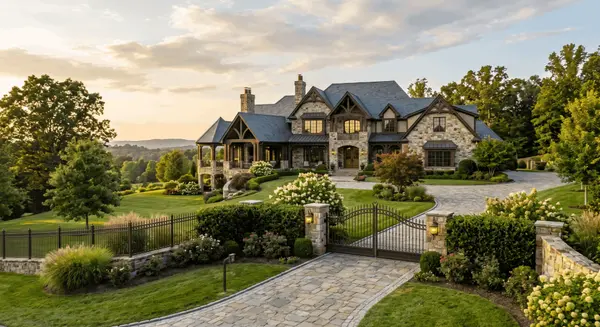
The community features custom single-story Mediterranean ranch estates spanning 3,200 to 4,500 square feet on flat 0.35 to 0.50+ acre parcels. These layouts eliminate all interior staircases while providing dedicated guest casitas for visiting grandchildren, resort lap pools, and expansive covered outdoor loggias.
The Lock-and-Leave Balance:
The dual 24/7 manned gatehouses and private neighborhood patrols provide unmatched security when traveling abroad for months at a time. However, detached homes still require private landscape and pool maintenance. Non-golfing downsizers can skip golf initiation fees and enjoy the private community park, walking trails, and optional tennis/social club dining. For complete carry cost details, review our analysis: Is Ruby Hill Worth It for Non-Golfers?
Stoneridge & Mohr Park: The Practical Case for Transit & Healthcare Access
Downsizers who consult part-time, sit on advisory boards, or travel frequently across the Bay Area often find the Stoneridge corridor and Mohr Park to be the most practical residential hubs in the city:
- Immediate Freeway & Rail Connectivity: Sits within 3 to 5 minutes of the I-580 and I-680 interchange, as well as the West Dublin/Pleasanton BART station. Reaching medical specialists at Stanford Health Care ValleyCare, Kaiser Permanente, or Sutter Health in Oakland is seamless.
- Single-Level Attached Formats: Communities like Mohr Park feature single-story patio homes and ground-floor condominiums with attached two-car garages and private courtyards, eliminating stairs without requiring large-scale yard maintenance.
- Accessible Price Points: Units trade in the $900,000 to $1,400,000 range ($650–$750/sq. ft.), enabling many downsizing homeowners to fund purchases entirely with cash, eliminating mortgage obligations.
Vintage Hills & Foothill Tracts: The True Single-Story Premium
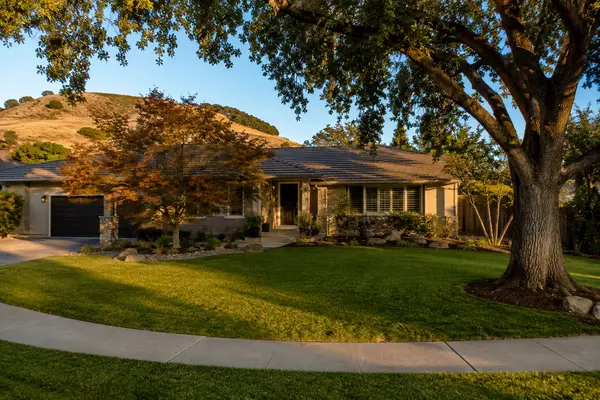
Vintage Hills and neighboring foothill tracts (such as Del Prado and Kottinger Ranch) offer the ideal middle ground for downsizers seeking traditional neighborhood character, established tree canopies, and complete independence from HOA boards.
The Single-Story Valuation Premium:
Genuine single-story homes—properties engineered with zero interior sunken living rooms, step-downs, or upper bonus levels—command an immediate 8% to 12% price-per-square-foot premium in Pleasanton.
Our consistent advice to empty nesters: Solve the staircase problem at the time of purchase rather than relying on future remodeling. Retrofitting aging properties with elevators or reconfiguring floor plans creates substantial capital expenditure drag. For an exhaustive breakdown of active single-level inventory, review our companion guide: Luxury Single-Story Homes in Pleasanton for Downsizers.
Downsizer Lifestyle Matrix: Neighborhood Trade-Offs & Maintenance Levels
A direct comparison of lifestyle drivers, maintenance profiles, and core trade-offs across Pleasanton's premier downsizer neighborhoods:
Modeling the Equity Spread: Evaluating Your Sale-to-Purchase Margin
In 2026, Pleasanton's median home prices fluctuate in the $1.65M to $1.85M band, with turn-key properties selling in 14 to 28 days. For downsizers, attempting to time the exact peak of the market is far less impactful than underwriting the net equity spread between what your current home yields and what you deploy into your replacement property.
For example, selling an executive two-story estate for $2,600,000 and purchasing a turnkey single-level home for $1,750,000 creates an $850,000 gross equity spread. Factoring in California selling costs (~6% for commissions, transfer taxes, and escrow) and deploying cash leaves downsizers with hundreds of thousands of dollars in liquid capital to bolster retirement reserves or fund family trusts.
Pleasanton vs. Walnut Creek, Danville & San Ramon for Active Retirees
Empty nesters frequently cross-shop neighboring East Bay suburban centers:
- Walnut Creek: Competes directly on downtown dining and Broadway Plaza retail with extensive single-story condo options. However, Walnut Creek carries a denser, more commercial urban feel with higher traffic volume.
- Danville & San Ramon: Lean quieter and more car-dependent. Danville offers historic Hartz Avenue dining but fewer attached or single-story options at accessible price points. San Ramon master plans carry active Mello-Roos CFD taxes, as detailed in our guide to what $2M buys in Pleasanton vs. San Ramon vs. Danville.
- The Community Friction Cost: Downsizers who already live in Pleasanton—with established doctors, dentists, social clubs, and routine dining spots—routinely underestimate the friction of moving across municipal lines. When the numbers align, staying within Pleasanton preserves vital community continuity.
Strategic Preparation: Proposition 19, Capital Gains & Bridge Financing
Homeowners who execute the smoothest downsizing transitions complete three financial steps before touring a single listing:
- Leverage California Proposition 19: Eligible homeowners aged 55+ can transfer their original Proposition 13 taxable base value from their existing residence to a replacement home anywhere in California up to three times. This protects downsizers from property tax reassessments, saving thousands annually. Review our complete Pleasanton seller guide to property taxes and Proposition 19.
- Audit Capital Gains Tax Exposure: Homes owned for 20+ years in Pleasanton often carry $1M+ in capital appreciation, easily exceeding federal Section 121 exclusions ($250k single / $500k married). Consult our advisory on capital gains tax strategies when selling a Pleasanton home.
- Establish Bridge Financing Before Searching: In a competitive market where sellers reject contingent offers, utilizing bridge financing or modern home-equity liquidity allows you to buy your replacement single-story home first, move at your own pace, and prep your existing home for top-dollar market presentation. Read our strategy guide: Sell First or Bridge Finance in Pleasanton Luxury.
Frequently Asked Questions
Which Pleasanton neighborhoods are best for downsizers who want walkability?
Downtown Pleasanton and its adjacent residential streets offer the strongest walkability for downsizers, providing short pedestrian walks to Main Street dining, coffee shops, the weekly Saturday farmers market, and civic events. The trade-offs include smaller interior square footage, primarily attached townhome or condominium inventory, private parking constraints, and elevated weekend foot traffic compared to quieter suburban tracts.
Are there true single-story homes available in Pleasanton for downsizers?
Yes, but genuine single-story inventory in Pleasanton is scarce and commands a significant valuation premium. Neighborhoods like Vintage Hills, Kottinger Ranch, and Del Prado offer true single-level ranch layouts (2,000–3,200 sq. ft.), while Ruby Hill features custom single-story Mediterranean estates (3,200–4,500 sq. ft.). Downsizers should treat single-story floor plans as a hard criterion rather than a preference, as homes with zero interior stairs sell within 7 to 14 days when priced accurately.
How does Downtown Pleasanton compare to Ruby Hill for empty nesters?
Downtown Pleasanton caters to empty nesters who prioritize daily urban walkability, vibrant community festivals, and low exterior maintenance (managed via townhome HOAs). Ruby Hill suits downsizers seeking maximum privacy, 24/7 manned security, estate-scale custom architecture, and optional country club amenities. Downtown living involves attached housing with higher density, whereas Ruby Hill offers detached, single-level custom living within a gated perimeter.
Is it better to sell first or buy first when downsizing in Pleasanton?
Selling first eliminates contingent financing risk and clarifies exact net equity proceeds, but may require interim renting or a short-term move. Buying first preserves lifestyle continuity but is challenging in competitive Pleasanton segments where sellers rarely accept home-sale contingencies. Most luxury downsizers leverage modern bridge financing or home equity lines of credit (HELOCs) to write non-contingent cash-equivalent offers before listing their existing property.
How can California downsizers transfer their low property tax base under Proposition 19?
Under California's Proposition 19, eligible homeowners aged 55 or older can transfer their existing Proposition 13 taxable base value from their current primary residence to a replacement home anywhere in California up to three times. If the replacement home is of equal or lesser value, the entire tax base transfers; if the replacement home is more expensive, the difference in market value is added to the transferred base. This allows long-time Pleasanton homeowners to downsize without facing massive property tax reassessments.
How long does it take to execute a downsize in Pleasanton from start to close?
A Pleasanton downsizing transition typically spans 3 to 9 months. Preparation involves three stages: (1) 30 to 60 days for tax and estate planning (evaluating capital gains and Proposition 19 base transfers) and pre-sale property prep; (2) 30 to 90 days searching for scarce single-story or lock-and-leave inventory; and (3) a standard 30-day closing escrow. Coordinating these milestones with a designated Seniors Real Estate Specialist (SRES) ensures smooth back-to-back transitions.
Do public school boundaries still matter for downsizers without children at home?
Yes. Pleasanton Unified School District's (PUSD) top ranking is the single strongest driver of long-term property value and liquidity. Even if you no longer have school-aged children, homes located in top feeder zones (such as Foothill High and Amador Valley High) command deeper future buyer pools, experience shorter days on market, and hold their value significantly better during broader market corrections.
What hidden costs should Pleasanton downsizers expect during a move?
Downsizers must budget for: (1) pre-sale cosmetic updates, staging, and deferred maintenance remediation on their existing property (often $15,000–$40,000); (2) HOA transfer, document preparation, and move-in fees on new townhomes ($1,000–$3,000); (3) potential capital gains tax liabilities on highly appreciated primary residences exceeding federal Section 121 exclusions ($250k single / $500k married); and (4) property tax supplemental bills following close of escrow.
How does Pleasanton compare to Walnut Creek, Danville, and San Ramon for active retirees?
Pleasanton and Walnut Creek offer the two premier walkable downtown cores in the East Bay, but Pleasanton maintains a more cohesive, historic small-town atmosphere with superior regional rail transit (BART and ACE Rail). Danville and San Ramon lean more traditional, suburban, and car-dependent with larger lots but minimal downtown walkability. Downsizers with established local healthcare providers and social ties in Pleasanton typically face far less emotional and logistical friction by staying within the city.
What should downsizers inspect in a Pleasanton HOA before buying a condo or townhome?
Before removing escrow contingencies on an attached home, downsizers should examine: (1) the HOA Reserve Study to verify that reserve funding exceeds 70%, preventing special assessment levies; (2) CC&R rental caps and pet restrictions; (3) designated parking allocation (ensuring street-level, non-tandem garage access); and (4) the last 24 months of board meeting minutes to detect recurring building defect disputes or impending fee hikes.
Categories
Recent Posts