Pleasanton vs. Dublin, CA: Real Estate, Schools & Tax Guide (2026)
Tri-Valley Regional Market & Tax Advisory
In my decades helping families buy and sell real estate across the Tri-Valley, the Pleasanton vs. Dublin question is almost never resolved by list price on a portal search. Rather, it centers on which city's hidden carrying costs, municipal bond assessments, and school feeder boundaries actually align with a family's 10-year wealth plan. While separated only by Interstate 580, these two neighboring cities represent radically divergent ownership experiences: established legacy parcels versus high-density, modern master-planned communities.
If you are also comparing higher-budget options across the county line, review our three-city analysis: Pleasanton vs. San Ramon vs. Danville at the $2M Price Point.

Direct Answer: The fundamental choice between Pleasanton and Dublin comes down to upfront purchase capital versus long-term recurring tax carry. In 2026, detached single-family homes in Pleasanton command a median price of roughly $1.84 million ($784–$810/sq. ft.) on mature 0.18 to 0.35+ acre lots with zero Mello-Roos CFD taxes in established tracts and access to top-ranked Pleasanton Unified (PUSD) schools. In Dublin, detached homes trade at a lower median of $1.3M to $1.7M ($638–$717/sq. ft.) for newer 2000s–2020s turnkey construction, but frequently carry $1,500 to $8,000+ per year in Mello-Roos CFD special taxes plus $150–$350/month master HOA dues on compact 0.08 to 0.15-acre lots. Over a 10-year hold, Pleasanton’s lower monthly tax overhead substantially narrows the effective net cost gap.
What's the Real Price Difference Between Pleasanton and Dublin Right Now?
Detached single-family homes in Pleasanton carry a median price of approximately $1.84 million, compared to $1.3 million to $1.7 million for detached homes in Dublin depending on the tract. Furthermore, Pleasanton’s mature resale stock commands a noticeable premium on a per-square-foot basis ($784 to $810/sq. ft.) compared to Dublin's newer master-planned developments ($638 to $717/sq. ft.):
Why Do Zillow and Redfin Show Lower Prices Than Real MLS Data?
Automated consumer portals blend condominiums, high-density three-story townhomes, and detached single-family residences into a single composite citywide number. This creates substantial confusion during initial pre-approval budgeting:
- Portal Aggregations Pull Dublin Down: Dublin has constructed thousands of attached condos and multi-story row townhomes near Dublin Boulevard and Hacienda Drive priced from $800,000 to $1,050,000. These lower-priced sales drag algorithm medians down to ~$1.25M, obscuring the fact that quality detached homes trade well past $1.5M.
- Isolated MLS Resale Data: When we isolate detached single-family comparables with private yards, Pleasanton sits firmly at $1.84M, while executive Dublin enclaves (such as Wallis Ranch or the estate tracts of Dublin Ranch) command $1.55M to $1.90M.
What Is Mello-Roos and Which Neighborhoods Actually Pay It?
Formally established under the California Community Facilities Act of 1982, Mello-Roos is a special municipal assessment levied by a Community Facilities District (CFD). Because modern California cities cannot directly finance massive infrastructure for new master developments, CFD municipal bonds are issued to build local roads, storm drains, sewer mains, fire stations, and neighborhood schools. The bond debt service is billed directly on the property tax roll.
The Dublin Mello-Roos Map:
- Dublin Ranch & Positano: CFDs typically add $2,000 to $4,500+ per year on top of base 1.15% Alameda County ad valorem property taxes.
- Boulevard & Wallis Ranch: Specialized high-amenity enclaves feature blended CFD assessments that can reach $3,500 to $8,000 annually on executive single-family floor plans.
- West Dublin & Established Pleasanton: Neighborhoods built before 1995—including Vintage Hills, Birdland, Kottinger Ranch, and Mission Park—carry zero Mello-Roos.
Before removing contractual escrow contingencies on any home in Dublin or East Pleasanton, require your title officer to produce the itemized Alameda County Secured Property Tax Bill. For an exhaustive analysis of these municipal fees, read our guide on the hidden costs of buying luxury real estate in the Tri-Valley.
Does Paying More in Pleasanton Actually Save Money Long-Term?
A buyer comparing a $1.55M new-construction home in Dublin with a $1.84M established home in Pleasanton often assumes Dublin is automatically cheaper to own. When you calculate the true monthly carrying cost, the math surprises many executives:
Monthly Carrying Cost Modeling (20% Down, 6.25% 30-Year Fixed)
Dublin Ranch / Boulevard ($1.55M Purchase)
- P&I Loan ($1.24M @ 6.25%): $7,635 / mo
- Base Property Taxes (~1.18%): $1,524 / mo
- Mello-Roos CFD Bond ($3,600/yr): +$300 / mo
- Master HOA Assessment: +$250 / mo
- Hazard Insurance: $225 / mo
- Total Net Monthly Carry: ~$9,934 / month
Pleasanton Resale Estate ($1.84M Purchase)
- P&I Loan ($1.472M @ 6.25%): $9,063 / mo
- Base Property Taxes (~1.18%): $1,809 / mo
- Mello-Roos CFD Bond: $0 / mo
- Master HOA Assessment: $0 / mo
- Hazard Insurance: $275 / mo
- Total Net Monthly Carry: ~$11,147 / month
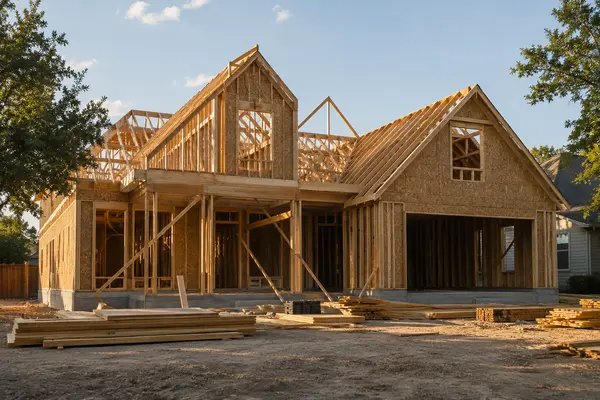
Despite a $290,000 higher sticker price, the monthly carrying differential is only ~$1,213. When factoring in Pleasanton’s substantially larger lot size (0.25 vs 0.10 acres) and historical land value appreciation, avoiding perpetual non-deductible special assessments makes Pleasanton resale a formidable long-term wealth compounder. For custom ground-up building budgets, review our report on new construction and municipal fees in Pleasanton.
School Zones: PUSD vs. DUSD Feeder Patterns & Ruby Hill Realities
Educational excellence drives home values across the I-580 corridor, but the two public districts operate with different institutional dynamics:
Pleasanton Unified School District (PUSD)
Anchored by Foothill High School and Amador Valley High School, PUSD schools rank in the top 20 across the San Francisco Bay Area. Over 70% of students achieve math proficiency against the state average of 34%.
The Ruby Hill Feeder Update: Following PUSD’s redistricting, the gated community of Ruby Hill feeds into Foothill High School. Outdated portals still list Amador Valley High. Always verify parcel assignments directly.
Dublin Unified School District (DUSD)
Rapid student body expansion in Dublin prompted the construction of the state-of-the-art Emerald High School campus, joining established Dublin High School.
DUSD offers cutting-edge engineering academies and modern facilities, though boundary maps between Dublin High and Emerald High require careful address auditing during escrow.
For families also evaluating independent prep options like The Quarry Lane School in Dublin, consult our comprehensive guide to top private schools near Pleasanton and tuition benchmarks.
HOA Dues & Assessment Comparison: Dublin Master-Planned vs. Pleasanton Enclaves
Association dues represent another recurring expense that differs by city:
- Dublin Master Associations: Communities like Boulevard, Wallis Ranch, and Dublin Ranch levy mandatory dues ($150 to $350+/month) to maintain community clubhouses, resort pools, private fitness facilities, and landscaped parkways.
- Standard Pleasanton Neighborhoods: Established central neighborhoods (Birdland, Del Prado, Vintage Hills) generally have no HOA dues. Homeowners manage their own parcels without board oversight or monthly assessments.
- Pleasanton Gated Luxury: Enclaves like Ruby Hill ($255–$310/mo master HOA) and Castlewood operate under distinct private road and 24/7 security structures. Review our complete line-by-line breakdown in Ruby Hill vs. Castlewood HOA fees and country club costs.
BART & Commuter Rail Logistics: I-580 / I-680 & ACE Train
For Bay Area tech and finance commuters, transit optionality protects quality of life:
- San Francisco BART Commute: Both cities access the Dublin/Pleasanton and West Dublin/Pleasanton BART stations along the I-580 median (~48 minutes direct to Montgomery St.). Dublin residents in Transit Center neighborhoods enjoy direct walking access.
- Silicon Valley & San Jose ACE Train Advantage: Pleasanton features the Pleasanton ACE Rail station on Pleasanton Avenue, allowing tech workers to commute south to Santa Clara and San Jose without driving the congested I-680 Sunol Grade. Dublin residents must cross into Pleasanton to access rail transit south.
Why Is Fire Insurance More Complex in West Pleasanton Hillsides?
While suburban flatland neighborhoods in both Dublin and Pleasanton qualify for standard admitted property insurance policies ($1,800 to $2,800/year), hillside enclaves face different underwriting standards:
Homes located along Foothill Road, Castlewood, or the western ridgeline sit within designated Wildland-Urban Interface (WUI) zones. Standard private carriers frequently decline new coverage, requiring homeowners to combine the California FAIR Plan with a supplemental Difference in Conditions (DIC) wrap, pushing annual premiums to $3,500 to $8,000+ per year. Always secure a binding insurance quote during your inspection period.
Should Tech Layoffs Change How You Time a Pleasanton or Dublin Move?
With major corporate employment campuses across Pleasanton (Workday, Roche, Veeva Systems) and Dublin (Ross Stores corporate HQ), shifts in tech equity compensation directly influence jumbo mortgage underwriting. Lenders execute verbal employment verifications within 48 to 72 hours of escrow closing.
To protect earnest money deposits, our team structures tailored loan contingency buffers. For an analysis of local equity resilience during tech corrections, read: Are Tech Layoffs Actually Hurting Your Tri-Valley Home Value?
Can You Transfer Your Tax Basis if Moving Between Pleasanton and Dublin?
Yes. Under California’s Proposition 19, eligible homeowners aged 55 or older, individuals with severe disabilities, or victims of wildfire disaster can transfer their lower Proposition 13 taxable base value from their existing residence to any replacement property in California.
This provides tremendous financial leverage for empty nesters downsizing from a larger Pleasanton estate into a low-maintenance single-story home in Dublin. Learn how to execute this transfer in our guide to top Pleasanton neighborhoods for downsizers and our complete Pleasanton seller guide to property taxes.
How Do Lot Sizes Compare Between Pleasanton and Dublin?
The physical character of the land remains one of the sharpest distinctions between the two markets:
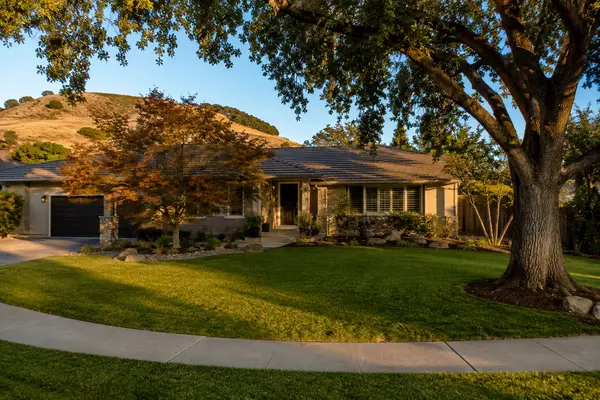
- Pleasanton’s Suburban Generosity: Standard lots average 8,000 to 15,000 sq. ft. (0.18 to 0.35 acres). Backyards easily accommodate full-sized in-ground swimming pools, ADUs (Accessory Dwelling Units), outdoor kitchens, and mature heritage landscaping with comfortable setback distances from neighbors.
- Dublin’s Compact Efficiency: Newer tracts average 3,500 to 6,500 sq. ft. (0.08 to 0.15 acres) with smaller side setbacks. Homeowners trade private yard maintenance for communal parks, shared clubhouses, and higher internal home square footage.
To evaluate how lot privacy scales further north into Contra Costa County, see our analysis in Pleasanton vs. Danville, Alamo & Diablo Luxury Homes.
Fiduciary Decision Framework: Which City Fits Your Long-Term Plan?
- Choose Pleasanton Resale If: You prioritize private backyard space (0.25+ acres), value historic downtown walkability, prefer exemption from recurring Mello-Roos CFD taxes, and want established PUSD feeder tracks.
- Choose Dublin Master-Planned If: You want modern turnkey construction (smart home wiring, open-concept floor plans), prefer lower upfront acquisition costs, desire community clubhouse amenities, and don't mind an active CFD tax assessment.
- Explore Both Simultaneously If: You are relocating on a tight timeline and need to maximize inventory access across both top-rated school districts.
Frequently Asked Questions
What is Mello-Roos and which Dublin neighborhoods pay it?
Mello-Roos is a special tax assessed through a Community Facilities District (CFD) to finance public infrastructure such as schools, parks, water systems, and roads. In Dublin, newer master-planned communities—including Dublin Ranch, Wallis Ranch, Boulevard, and Positano—carry active CFD assessments ranging from $1,500 to over $8,000 annually on top of base 1.15% property taxes. Most established Pleasanton neighborhoods built before 1995 carry zero Mello-Roos.
Does paying more for a home in Pleasanton actually save money long-term compared to Dublin?
Yes, in many scenarios. While a detached single-family home in Pleasanton carries a higher purchase price (~$1.84M median vs. $1.3M–$1.7M in Dublin), avoiding Dublin's $2,000–$6,000+ annual Mello-Roos assessments and $200–$400/month master HOA fees can save $300 to $700+ per month in ongoing carrying costs. Over a 10-to-15-year ownership period, lower non-deductible tax assessments and stronger historical land value appreciation often offset Pleasanton's initial acquisition premium.
How do school districts compare between Pleasanton Unified (PUSD) and Dublin Unified (DUSD)?
Both districts are highly rated, but they offer distinct institutional profiles. Pleasanton Unified (PUSD) features Foothill High and Amador Valley High, consistently ranking in the top 20 Bay Area public high schools with 70%+ math proficiency and mature extracurricular traditions. Dublin Unified (DUSD) is rapidly expanding, anchored by Dublin High School and the state-of-the-art Emerald High School campus, offering modern STEM facilities and growing academic performance.
Is Ruby Hill zoned for Foothill High School or Amador Valley High School?
Following the Pleasanton Unified School District boundary adjustments, residential parcels in Ruby Hill feed into Foothill High School. However, because district attendance boundaries are subject to periodic review, buyers should verify the specific parcel address directly with PUSD before removing purchase contingencies.
How do lot sizes and privacy compare between Pleasanton and Dublin?
Pleasanton's resale housing stock offers significantly larger and more private lots, typically ranging from 0.18 to 0.35+ acres (8,000 to 15,000+ sq. ft.) with mature tree canopies and deep setbacks. Dublin's newer master-planned subdivisions feature compact, high-density lot plans averaging 0.08 to 0.15 acres (3,500 to 6,500 sq. ft.), trading yard space for modern interior square footage and community parks.
Why do Zillow and Redfin report lower home prices than actual MLS sales data?
Automated online portals calculate median home prices by blending high-density attached condominiums and townhomes with detached single-family residences. In Dublin, a large volume of sub-$1M attached townhomes pulls the overall portal median down significantly. Isolated MLS data for detached single-family homes shows the true median at $1.3M to $1.7M in Dublin and $1.84M in Pleasanton.
Can I transfer my property tax base under Proposition 19 when moving between Pleasanton and Dublin?
Yes. Under California's Proposition 19, eligible homeowners aged 55 or older, severely disabled individuals, or victims of natural disasters can transfer their Proposition 13 taxable base value from their existing primary residence to a replacement home anywhere in California—including across county lines between Alameda and Contra Costa—up to three times, with adjustments if the replacement home is higher in value.
How does commuter rail access compare between Pleasanton and Dublin?
Both cities share direct access to the Dublin/Pleasanton and West Dublin/Pleasanton BART stations along the I-580 median, providing ~48-minute transit to Downtown San Francisco. However, Pleasanton offers the additional benefit of the Pleasanton ACE Rail station, which connects commuters directly to Santa Clara and San Jose tech employment hubs, bypassing the I-680 Sunol Grade bottleneck.
Categories
Recent Posts