Pleasanton vs. Livermore Real Estate: The Real Tri-Valley Trade-Off (2026 Guide)
Tri-Valley Comparative Market & Tax Advisory
In my years guiding homebuyers through the Tri-Valley, the Pleasanton vs. Livermore question emerges in almost every relocation consultation. While it sounds like a simple price comparison on a real estate portal, the choice is fundamentally an economic trade-off among three variables: your daily commute tolerance, your public school priorities, and how much you are prepared to carry in recurring monthly expenses that never appear on a listing sheet.
Below is the line-by-line fiduciary analysis I walk my own clients through before they draft an offer in either municipality.
Direct Answer: The primary trade-off between Pleasanton and Livermore is purchasing power versus commute convenience. In 2026, Pleasanton’s median detached home price sits at approximately $1,820,000 ($828/sq. ft.), commanding an approximate $610,000 premium over Livermore’s median of $1,210,000 ($692/sq. ft.). That $610,000 premium in Pleasanton does not buy a larger home—it purchases a 15-to-25-minute shorter highway commute to Silicon Valley via the I-580/I-680 interchange, direct BART connectivity, and access to the #1 ranked Pleasanton Unified School District (PUSD). Conversely, buying in Livermore provides significantly larger parcels (0.25 to 0.50+ acres in South Livermore), a relaxed wine country lifestyle with 50+ wineries, and direct ACE Rail commuter train access to Santa Clara/San Jose, with both cities enjoying zero Mello-Roos CFD taxes in established tracts.
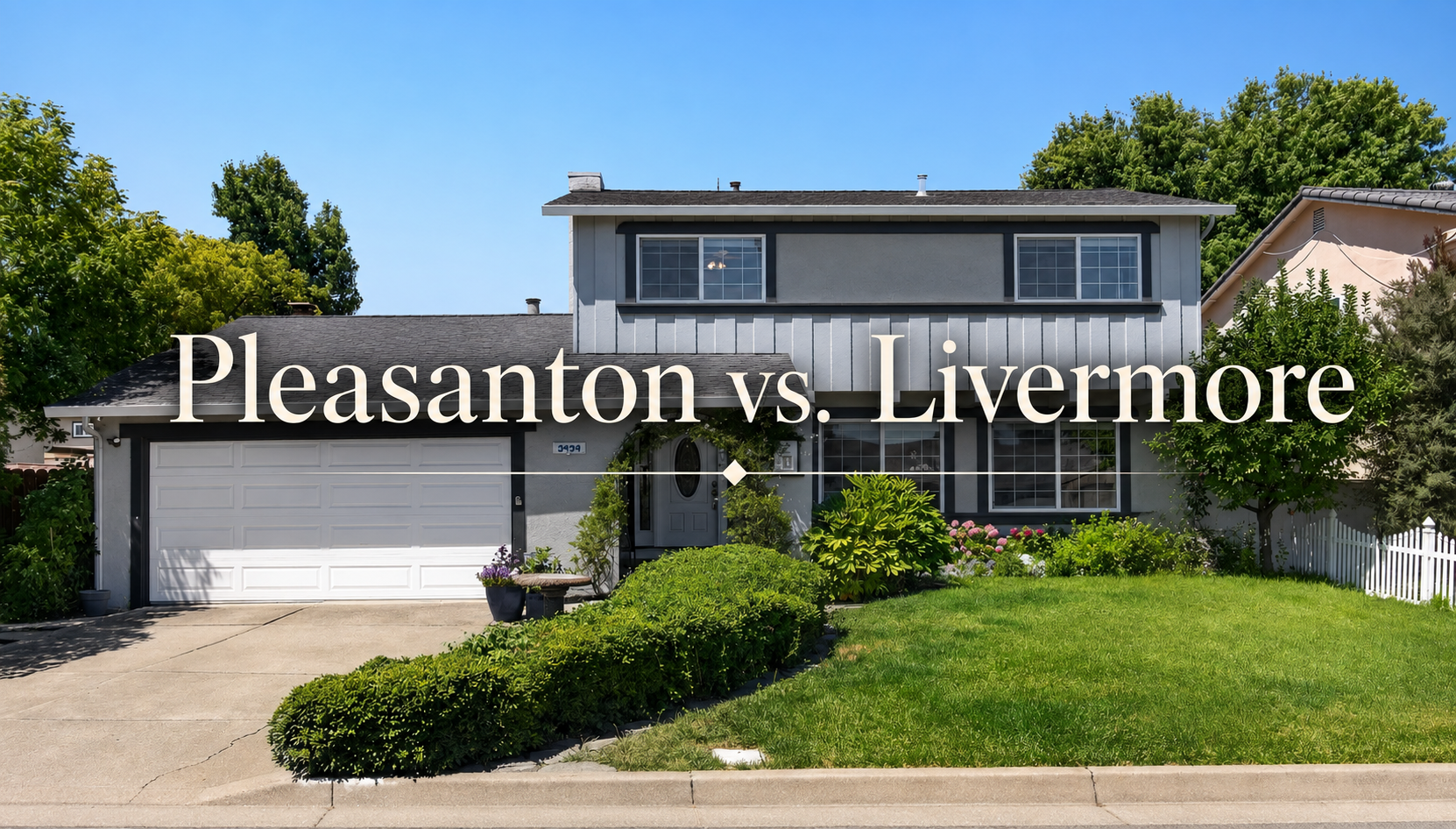
How Much More Does Pleasanton Actually Cost Than Livermore?
As of 2026, Pleasanton's median single-family home price sits at $1,820,000 ($828 per square foot), compared to Livermore's median of $1,210,000 ($692 per square foot). That represents a $610,000 baseline price gap.
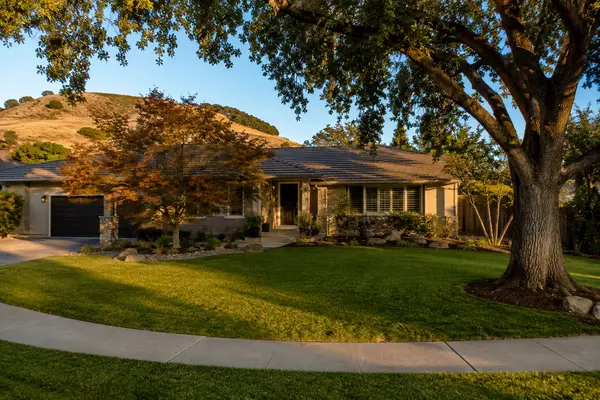
In Livermore, deploying the same capital buys a substantially larger parcel (often 0.25 to 0.50+ acres in South Livermore) or an extra 500 to 800 square feet of interior living space at a comparable build quality. Understanding whether that $610K capital delta translates to a higher return on quality of life is the critical question.
Where Does the Extra $610,000 Actually Go?
None of that $610,000 premium buys you a larger floor plan. In Pleasanton, capital purchases geographic proximity, school certainty, and inventory scarcity:
- Immediate Transit Proximity: Pleasanton sits directly on the I-580/I-680 junction, cutting 15 to 25 minutes off daily highway commutes to Silicon Valley and San Francisco compared to Livermore.
- The PUSD Educational Moat: Verified placement in Pleasanton Unified's flagship high school feeder tracks (Foothill and Amador Valley) carries a documented $200,000 to $350,000 valuation premium.
- Severe Supply Constraints: Pleasanton active inventory remains compressed, maintaining an average of 13 to 21 days on market with a 100% to 102% sale-to-list ratio on turn-key properties.
- Walkable Downtown Culture: Main Street Pleasanton offers historic pedestrian dining, weekly street events, and farmers markets that command an $850–$1,050/sq. ft. premium.
This is the exact trade-off I walk Silicon Valley commuter families through before they anchor strictly on price per square foot.
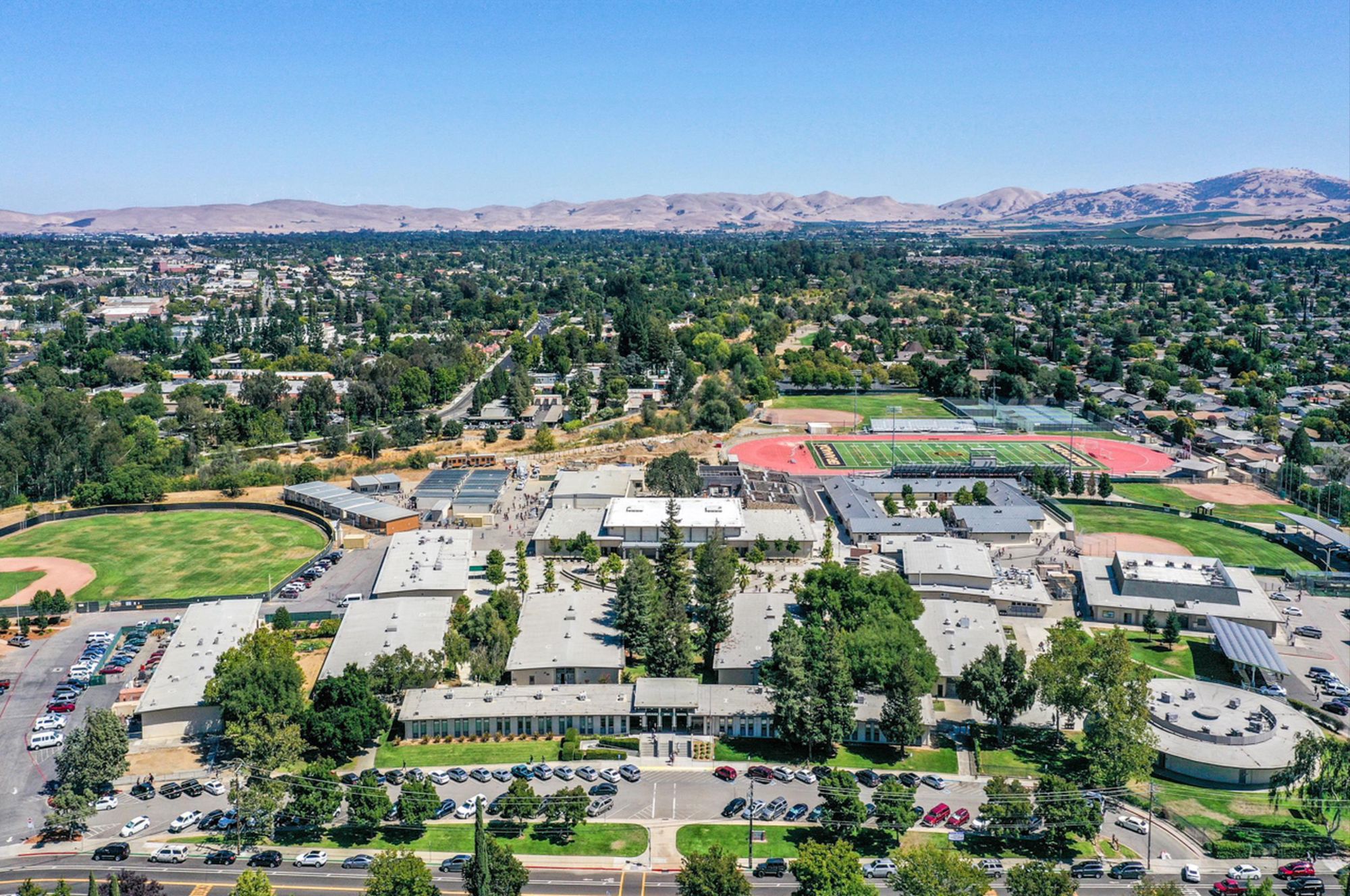
Which High School Will Your Children Actually Attend?
School boundaries require parcel-level verification across both districts. Never rely on automated third-party portal overlays:
Pleasanton Unified (PUSD)
Foothill High School: Serves southern and eastern tracts, including Ruby Hill, Fairlands, Lydiksen, and Hearst elementary tracts.
Amador Valley High School: Serves central and northern tracts, including Alisal, Mohr, Valley View, Vintage Hills, and Walnut Grove. Both campuses boast 70%+ math proficiency rates.
Livermore Valley Joint (LVJUSD)
Granada High School: The highest-performing public high school in Livermore, consistently outscoring Livermore High on statewide academic indices, serving South Livermore subdivisions.
Livermore High School: Features an established agricultural sciences and STEM program serving northern and central neighborhoods.
For families considering independent private options, review our curated directory of top private schools near Pleasanton and tuition benchmarks (Quarry Lane, Athenian & BASIS).
Is the Livermore-to-Silicon Valley Commute Actually Workable?
Yes, but the daily reality depends entirely on your departure time and your transit mode:
- Driving via Highway 84 & I-680 South: Departing Livermore after 7:00 AM pushes commute times to 65 to 95+ minutes to Mountain View or Sunnyvale due to merging bottlenecks near Isabel Avenue and the Sunol Grade. Pleasanton drivers save 15 to 25 minutes on the exact same route.
- The ACE Rail Train Solution: The Altamont Corridor Express (ACE Rail) operates commuter trains from Downtown Livermore and Vasco Road directly to Great America (Santa Clara) in 50 minutes and San Jose Diridon in 60 minutes. Tech workers at Google, Apple, and NVIDIA utilize onboard Wi-Fi to work during transit, bypassing highway congestion entirely.
- BART to San Francisco: Pleasanton residents access the Dublin/Pleasanton BART station in 5 to 10 minutes (~48-minute train to Embarcadero). Livermore commuters must drive 15 to 20 minutes along I-580 West just to reach the BART platform.
The Hidden Line Item Most Buyers Never Ask About: Mello-Roos
This is the critical distinction I flag with every out-of-area buyer. Mello-Roos Community Facilities District (CFD) taxes are virtually non-existent in established Pleasanton and Livermore neighborhoods.
Many buyers cross the city line into newer master-planned developments in East Dublin (Dublin Ranch, Wallis Ranch) chasing newer square footage, only to discover an active $1,500 to $4,500+ annual Mello-Roos bond assessment on their property tax bill.
Because mortgage underwriters factor recurring Mello-Roos payments directly into your debt-to-income (DTI) ratio, an annual $3,600 CFD charge quietly reduces your maximum loan borrowing capacity by approximately $45,000 to $50,000. In established Pleasanton and Livermore, your property taxes remain locked to the base ~1.18% rate. Read our full analysis in Pleasanton vs. Dublin: Real Estate, Schools & Tax Guide.
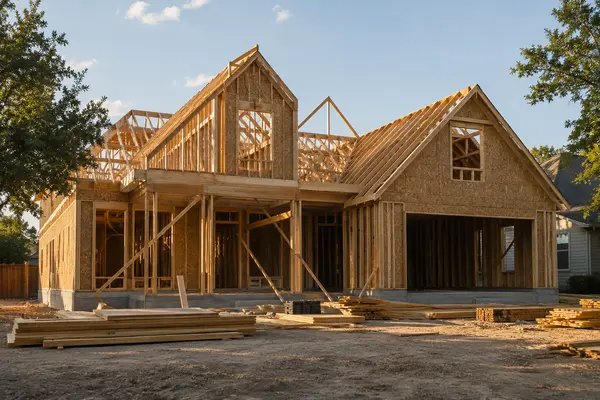
If you are considering a custom build or lot purchase, review our comprehensive audit on custom home development costs and city permit fees in Pleasanton.
What Does Wildfire Insurance Really Cost in the Hills?
In flatland neighborhoods across both cities, standard admitted homeowners insurance policies run between $1,800 and $2,800 per year. However, if you evaluate parcels located in the foothill ridgelines—such as Castlewood, Foothill Road, or the south valley hills of Livermore—standard private carriers frequently decline coverage.
Homeowners in these state-designated Wildland-Urban Interface (WUI) zones must combine a California FAIR Plan policy with a supplemental Difference in Conditions (DIC) wrap, pushing annual insurance carry to $4,500 to $8,500+ per year. We model these exact carrying expenses in our guide to the hidden costs of buying a luxury home in Pleasanton.
What Will Closing Costs Actually Look Like in Alameda County?
Alameda County operates under localized customs that frequently surprise relocating buyers arriving from Santa Clara or San Mateo counties:
- Buyer Responsibility: In Alameda County, buyers customarily pay for both the escrow closing fee and the owner's title insurance policy (the reverse of Santa Clara County's convention).
- Seller Responsibility: Sellers customarily pay the County Documentary Transfer Tax, fixed at $1.10 per $1,000 of assessed value.
- Zero City Transfer Tax Advantage: Neither Pleasanton nor Livermore charges an additional municipal transfer tax. In contrast, purchasing in Oakland or Berkeley triggers city transfer taxes ranging from 1.0% to 2.5%, saving Tri-Valley buyers and sellers tens of thousands of dollars at closing.
If you are selling an existing property as part of your transition, review our comprehensive Pleasanton seller guide to taxes and Proposition 19.
How Do Gated Communities Like Ruby Hill Change the Math?
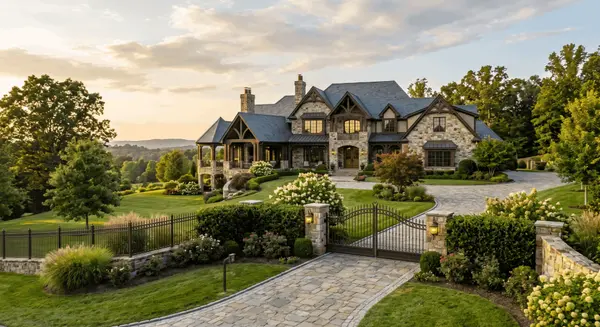
For luxury buyers cross-shopping upper-tier estates, Ruby Hill introduces a distinct structural layer. Mandatory master HOA dues ($255 to $310/month) fund 24/7 dual-manned gate security, private patrols, and community park facilities, with country club golf and social memberships billed separately.
For non-golfers evaluating the neighborhood, review our analysis: Is Ruby Hill Worth It for Non-Golfers?, and see our line-by-line fee comparison in Ruby Hill vs. Castlewood HOA fees and club costs.
Decision Matrix: Which Tri-Valley City Fits You?
- Choose Pleasanton If: Shaving 20 to 30 minutes off your daily highway commute is critical; you prioritize verified PUSD school consistency; you desire historic Main Street walkability; and your purchasing budget sits between $1.6M and $3M+. Read our complete relocation guide: Moving to Pleasanton CA (2026).
- Choose Livermore If: You want significantly larger lots (0.25 to 0.50+ acres), a vibrant wine country atmosphere, more breathing room in monthly debt service, and direct access to the ACE Rail commuter train for South Bay transit.
- If Stretching Past $2M: Review our three-city luxury comparison: What $2M Buys in Pleasanton vs. San Ramon vs. Danville, and examine how tech employment shifts are affecting Tri-Valley property values.
Frequently Asked Questions: Pleasanton vs. Livermore
What is the actual price difference between homes in Pleasanton and Livermore?
As of mid-2026, the median closed sale price for a detached single-family home in Pleasanton is approximately $1,820,000 ($828/sq. ft.), compared to $1,210,000 ($692/sq. ft.) in Livermore. This represents a ~$610,000 price gap. In Livermore, that same capital buys a significantly larger lot (often 0.25 to 0.50+ acres in South Livermore) or an additional 500 to 800 square feet of interior living space compared to Pleasanton.
How do commute times to Silicon Valley and San Francisco compare between Pleasanton and Livermore?
Pleasanton holds a clear geographic advantage for vehicle commuters, situated directly at the I-580/I-680 interchange. Driving from Pleasanton to Silicon Valley (Mountain View/Sunnyvale) takes 45 to 75 minutes, compared to 65 to 95+ minutes from Livermore via Highway 84 and I-680 South. For San Francisco commuters, Pleasanton offers direct BART service via Dublin/Pleasanton stations (~48-minute train ride). However, Livermore offers direct Altamont Corridor Express (ACE Rail) stations at Vasco Road and Downtown, providing traffic-free 50-to-55-minute train rides to Santa Clara and San Jose.
How do school districts compare between Pleasanton Unified (PUSD) and Livermore Valley Joint Unified (LVJUSD)?
Pleasanton Unified School District (PUSD) ranks #1 in Alameda County, with both comprehensive high schools (Foothill High and Amador Valley High) ranking in the top 20 across the Bay Area with 70%+ math proficiency. Livermore Valley Joint Unified (LVJUSD) offers strong neighborhood schools anchored by Granada High School (known for its rigorous STEM pathway and IB/AP courses) and Livermore High School. While PUSD commands higher district-wide consistency and property premiums, Granada High in South Livermore delivers competitive academic outcomes.
Do homes in Pleasanton or Livermore carry Mello-Roos CFD taxes?
No. The vast majority of established residential neighborhoods in both Pleasanton and Livermore carry zero Mello-Roos Community Facilities District (CFD) taxes. This provides a significant monthly carrying cost advantage over newer master-planned developments in neighboring East Dublin, which often carry $1,500 to $4,500+ in annual CFD assessments that increase monthly property tax obligations.
How does the ACE Rail train benefit tech workers commuting from Livermore and Pleasanton?
The Altamont Corridor Express (ACE Rail) operates weekday commuter trains with stations in Downtown Livermore, Vasco Road, and Downtown Pleasanton. The train bypasses the congested I-680 Sunol Grade and Highway 84 bottlenecks, connecting commuters directly to Fremont, Great America (Santa Clara), and San Jose Diridon Station in 45 to 55 minutes, equipped with onboard Wi-Fi and work tables connecting to tech campus shuttles.
How do lot sizes and neighborhood lifestyle character differ between Pleasanton and Livermore?
Pleasanton offers a manicured suburban setting with a historic, walkable downtown Main Street, established oak-lined tracts (averaging 7,500 to 12,000 sq. ft. lots), and exclusive gated golf enclaves like Ruby Hill. Livermore features an expansive, relaxed wine country culture anchored by 50+ local wineries, historic ranch parcels, larger lots (averaging 8,000 to 20,000+ sq. ft. in South Livermore), and equestrian-friendly zoning.
What are the wildfire insurance realities for foothill properties in Pleasanton vs. Livermore?
Properties located along the western foothill ridgeline in Pleasanton (such as Castlewood and Foothill Road) or deep in the south valley hills of Livermore sit within state-designated Wildland-Urban Interface (WUI) zones. In these pockets, private admitted insurers frequently decline coverage, requiring homeowners to secure California FAIR Plan policies combined with a Difference in Conditions (DIC) wrap, which can cost $4,000 to $8,000+ annually.
What are typical closing costs and transfer taxes in Alameda County for buyers?
In Alameda County, buyers customarily pay for the escrow fee and owner's title insurance policy, while the seller pays the county documentary transfer tax ($1.10 per $1,000 of purchase price). Neither Pleasanton nor Livermore charges an additional municipal transfer tax, representing significant savings compared to cities like Berkeley or Oakland. Total buyer closing costs typically range between 1.5% and 3% of the purchase price, depending on loan impounds and lender origination fees.
Categories
Recent Posts